
History of the Laboratoire CinéMédias
The Laboratoire CinéMédias is one of the leading research centers in film and media studies in North America. Located in the Lionel-Groulx Pavilion at the Université de Montréal, within the Département d’histoire de l’art, de cinéma et des médias audiovisuels, it brings together several research teams and projects (TECHNÈS, GRAFIM, OCQ, PRAGM/e, cinEXmedia) and brings together nearly twenty students and professionals.
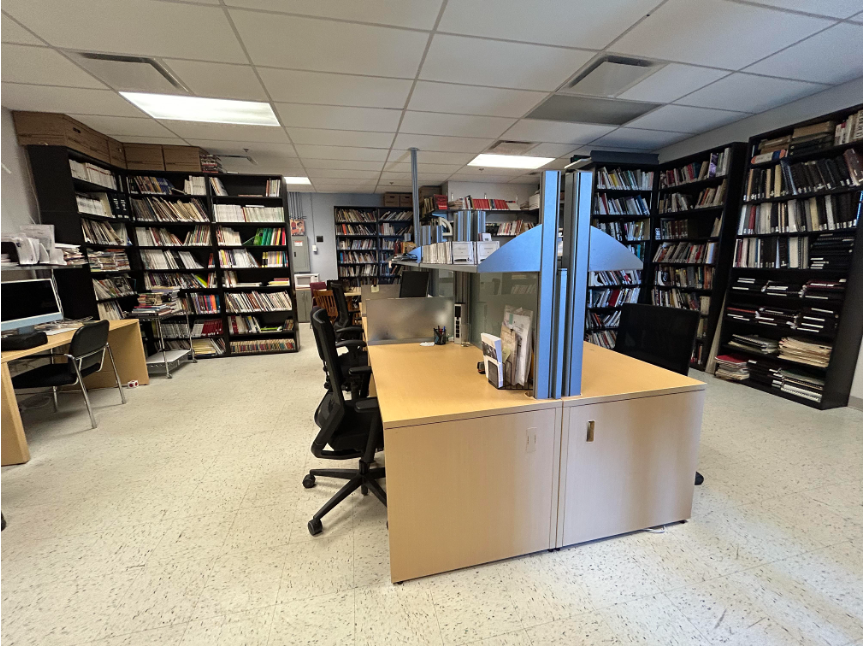


Rooted in a tradition of research dating back to the 1990s, notably with the founding of GRAFICS in 1992, the Laboratoire CinéMédias was officially inaugurated in 2016 by Professor André Gaudreault. It is affiliated with the Canada Research Chair in Film and Media Studies. Since 2018, it is directed by Santiago Hidalgo, Professor in the Département d’histoire de l’art, de cinéma et des médias audiovisuels and a Research Associate at CRIUGM and CÉAMS.
The Laboratoire CinéMédias offers an integrated approach to film and media, focusing on their effects, uses, and evolution. It thus positions itself as an interdisciplinary research center capable of addressing the contemporary challenges of media-driven societies, while actively contributing to education, the dissemination of knowledge, and dialogue between academic and non-academic communities.
A Three-Part Scientific Program
Cinema and Well-being
The first theme focuses on the viewing experience and the effects of moving images on well-being. It explores the sensory, cognitive, and social dimensions of engaging with audiovisual works, placing contemporary screen use at the center of the discussion. It employs an interdisciplinary and cross-sectoral approach, at the intersection of film studies, health sciences, and the humanities.
The team's research focuses in particular on therapeutic cinema, as well as the links between cinema and health—whether in terms of mental health, well-being, or quality of life. Particular attention is given to specific viewing contexts and diverse audiences, notably in relation to childhood, aging, sleep, and dreams.
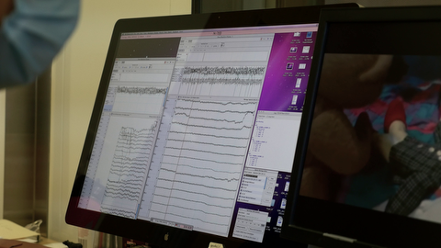
This area aims to better understand how images affect individuals and groups, and to develop innovative, inclusive, and cross-sectoral approaches in which film can serve as a tool for support, healing, or transformation of lived experiences.
Media Literacy: Film and Education
The second theme focuses on audiovisual literacy, defined as the ability to access images, analyze them, and use them critically and creatively.
Research focuses on how audiovisual works are constructed, the codes and biases that permeate them, as well as issues of representation, stigmatization, and accessibility. This work is part of an effort to better understand the conditions under which images circulate and their effects in various social and cultural contexts.
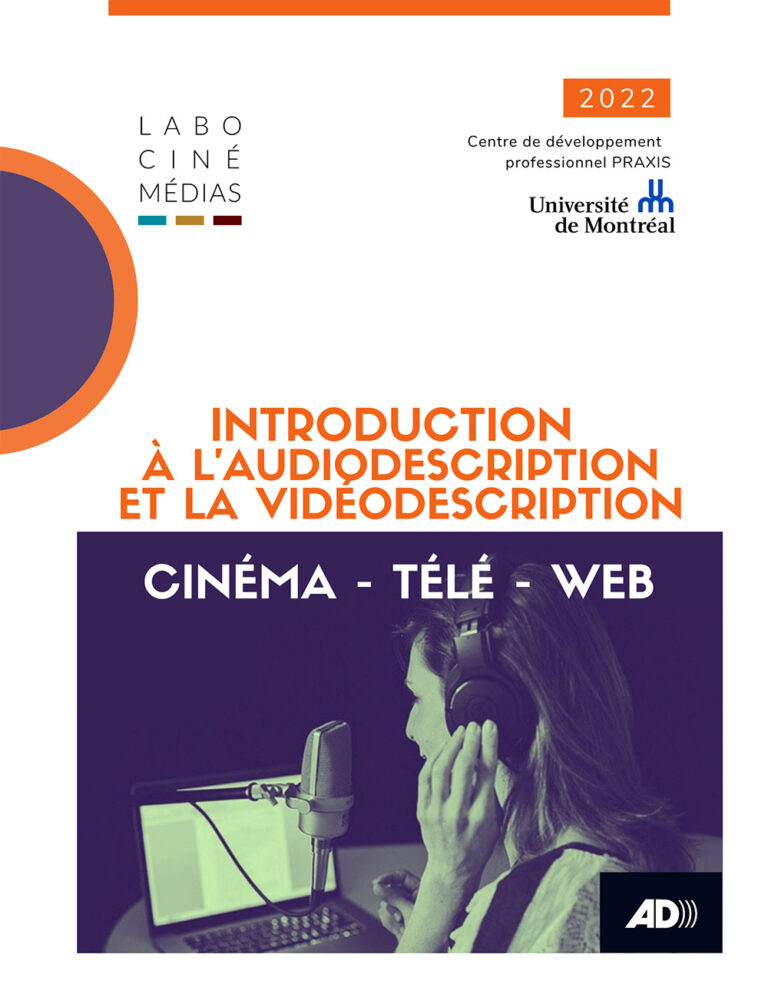
This aspect also includes a significant educational component, involving the development of educational activities and workshops, particularly in schools. The goal is to provide access to knowledge and build bridges between academic, educational, and cultural communities, in order to promote informed media literacy.
Transformation of Techniques and Technologies
The third theme explores the evolution of film techniques and technologies, combining a historical perspective with an examination of contemporary transformations.
Research focuses on technological innovations, their evolution, and their impact on filmmaking practices, as well as on issues related to archives and heritage. Particular attention is given to the materiality of media, formats, and devices, as well as to practices such as editing.
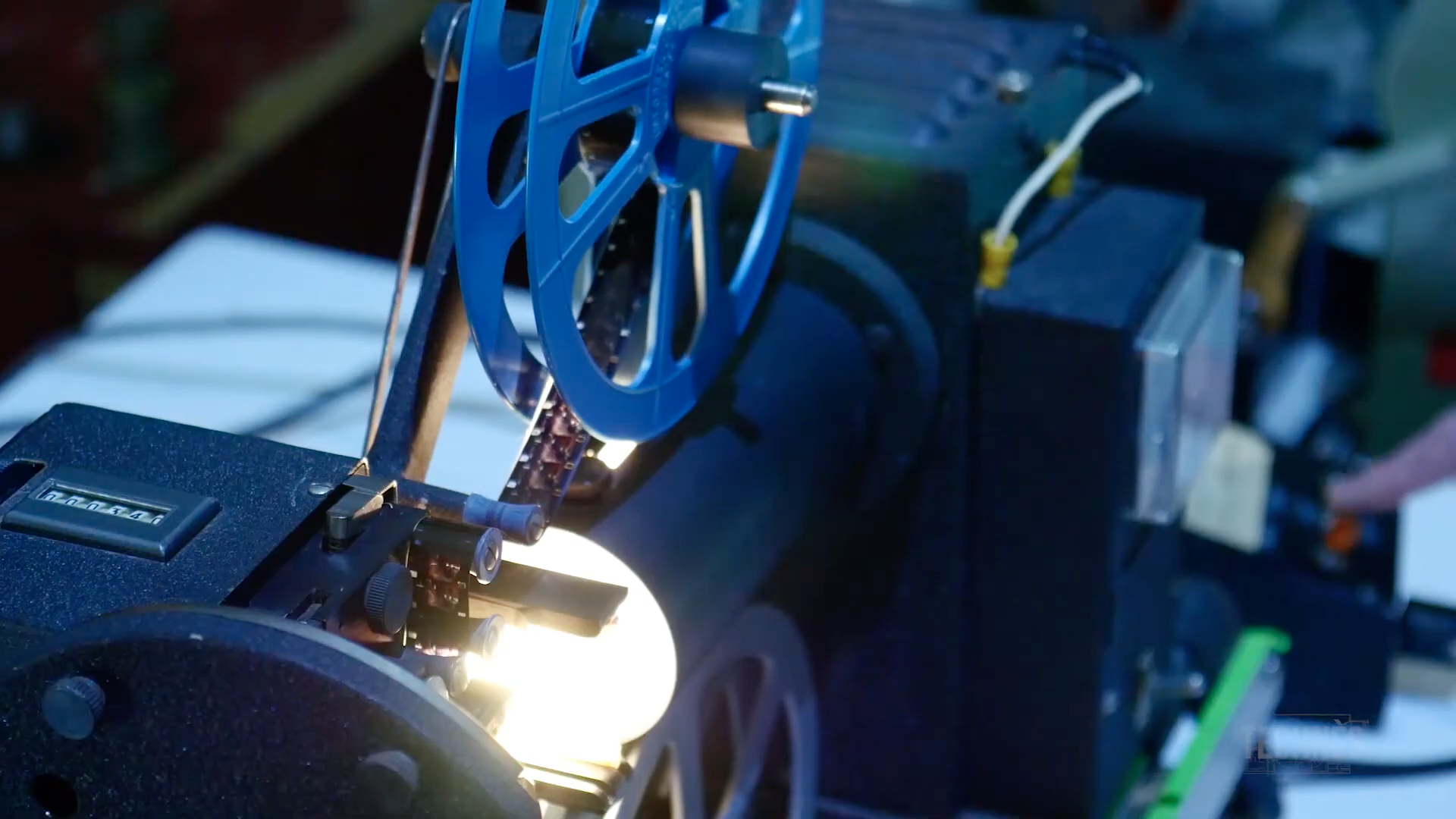
This area also includes the study of early cinema and the conditions under which new media forms emerged, in order to better understand the continuities and breaks that have marked the history of cinema. It highlights technological transformations, taking into account their aesthetic, cultural, and scientific dimensions.
Transversal Topics and Mandates of the Lab
At the intersection of its three research areas, the Laboratoire CinéMédias takes a resolutely interdisciplinary approach, focusing on the connections between disciplines, contexts and practices.
Certain overarching themes run through all of its activities, notably the uses and implications of artificial intelligence, the question of rhythm—viewed as a principle that is at once aesthetic, cognitive, and scientific—as well as intersectorality, which fosters dialogue between the fields of culture, education, health, and research. These perspectives help to renew the ways in which we approach moving images and their effects on society.
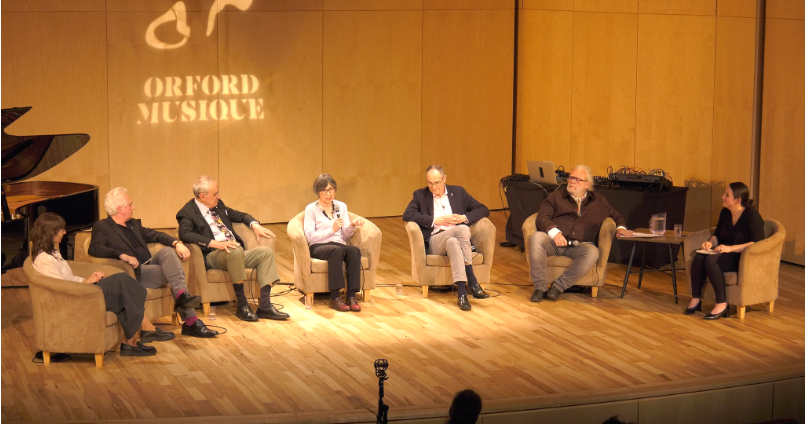
The Lab also places a strong emphasis on student training and supporting the next generation of researchers. It provides them with a comprehensive work environment, including a specialized library (books, films, journals, multimedia archives), workspaces, and editing stations, as well as support with funding applications. Specialized equipment, such as digitization tools and audiovisual recording equipment, supports research and creative activities.
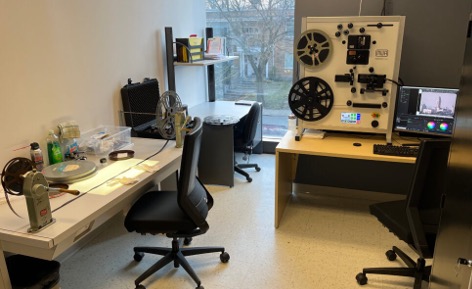
Finally, the Lab actively contributes to knowledge mobilization through publishing initiatives and outreach projects that promote access to knowledge. These take the form of collections, scientific and interdisciplinary journals (including Nouvelles vues and Écrans croisés), as well as digital and collaborative projects. All of these activities help ensure the circulation of knowledge beyond the academic sphere, particularly through their integration into educational, creative, and practical contexts. They thus help foster sustained interactions between research, audiovisual practices, and real-world applications.